Introduction
Many homeowners assume roofing work must wait until spring or summer. In Texas, that is not always true. Winter conditions across much of the state are often mild enough to allow roofing projects to move forward safely and effectively.
Homeowners in Longview, TX frequently ask whether winter is a good time to replace a roof or if waiting is the better option. Understanding how winter weather affects roofing materials, installation, and scheduling can help you decide the right time for your project.
Why Winter Roofing Is Possible in Texas
Texas winters are generally shorter and milder compared to many other parts of the country. While cold snaps and rain can occur, extended freezing conditions are uncommon in East Texas.
Winter roofing is possible because:
- Temperatures are often above freezing
- Snow accumulation is rare
- Roofing crews can work safely most days
- Materials perform well when handled correctly
As long as weather conditions are monitored and installation guidelines are followed, winter roof replacement is a realistic option.
How Temperature Affects Roofing Materials
Temperature plays an important role in roofing installation, especially with asphalt shingles.
Asphalt Shingles
Asphalt shingles rely on sealant strips that activate with warmth. In cooler weather, shingles may take longer to fully seal.
This does not mean winter installation is a problem. It simply means:
- Shingles may seal more slowly
- Proper nailing and placement are critical
- Sealant activates once temperatures rise
Experienced roofers understand how to adjust installation techniques to ensure proper performance.
Underlayment and Flashing
Modern underlayments and flashing materials are designed to perform well in a wide range of temperatures. Proper installation ensures water protection regardless of season.
Benefits of Replacing a Roof in Winter
Winter roof replacement can offer advantages many homeowners do not expect.
More Flexible Scheduling
Roofing companies are often less busy in winter. This can lead to:
- Faster project scheduling
- Shorter wait times
- More attention to detail
Comfortable Working Conditions
Cooler temperatures are often easier on roofing crews, which can improve focus and workmanship compared to extreme summer heat.
Preparing for Spring Storms
Replacing a roof in winter ensures your home is ready before spring storms arrive. Addressing roofing issues early helps prevent leaks and interior damage during heavy rain seasons.
Potential Winter Challenges to Consider
While winter roofing is possible, there are factors that may affect timelines.
Rain and Wet Conditions
Rain can delay roofing work. Wet surfaces must dry before installation continues to ensure safety and proper material performance.
Cold Mornings
Early morning temperatures may slow start times until conditions are safe for installation.
Shorter Daylight Hours
Shorter days can slightly extend project timelines, especially for larger or more complex roofs.
Experienced contractors plan around these factors to minimize delays.
When Winter Roof Replacement Makes Sense
Winter is often a good time to replace a roof if:
- The roof is leaking or failing
- Storm damage has occurred
- The roof is near the end of its lifespan
- You want to avoid peak season delays
Waiting several months with an aging or damaged roof can increase the risk of further problems.
When Waiting May Be the Better Option
In some cases, waiting may make sense.
Situations include:
- Minor issues that can be temporarily repaired
- Extended periods of rain in the forecast
- Scheduling conflicts with other home projects
A professional inspection can help determine whether immediate replacement is necessary or if waiting is reasonable.
Installation Quality Matters More Than Season
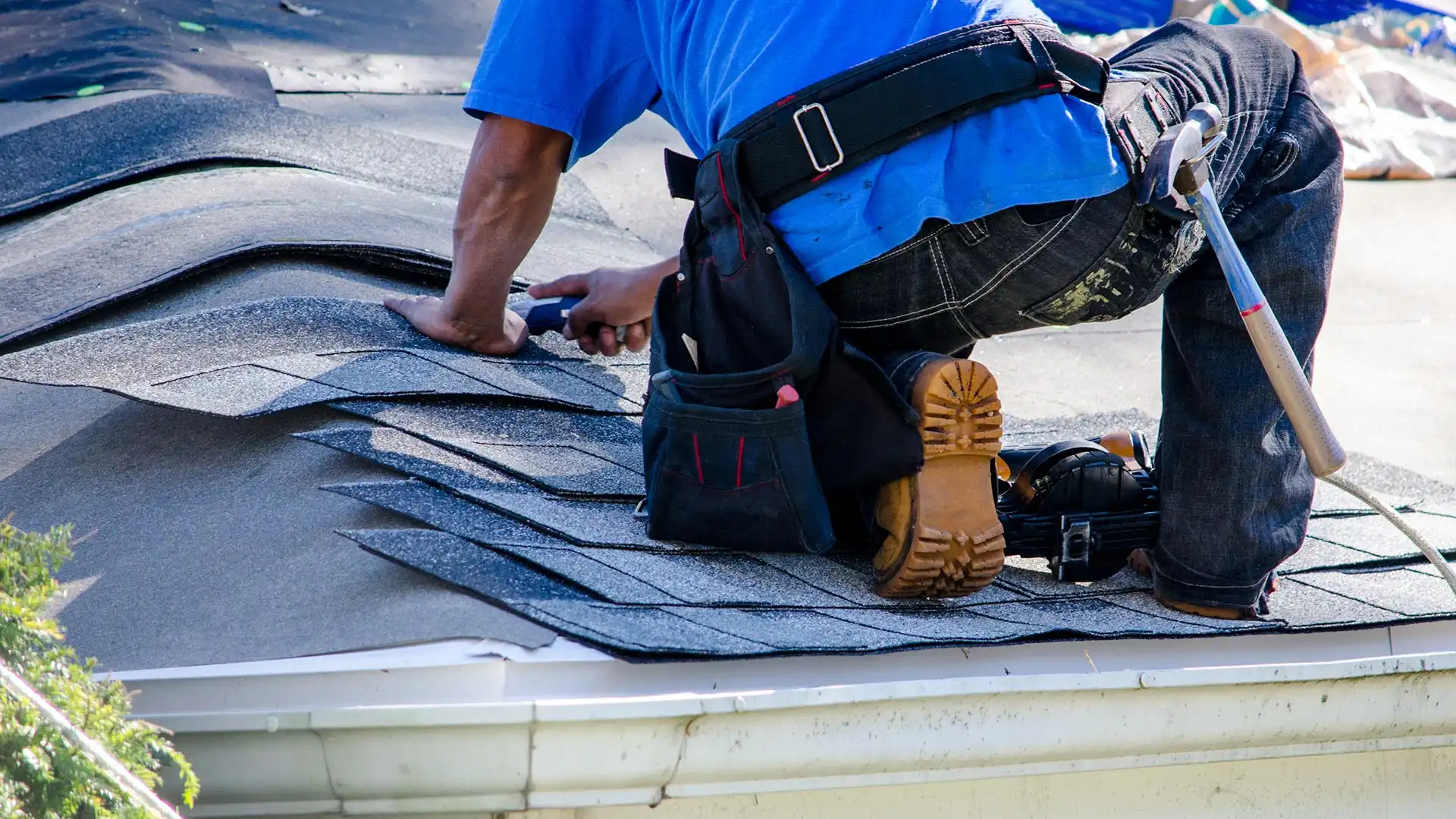
The success of a roof replacement depends more on installation quality than the time of year. Proper preparation, correct nailing, and attention to detail ensure long term performance.
Professional winter installation includes:
- Careful material handling
- Proper fastening techniques
- Correct flashing installation
- Thorough cleanup and inspection
Seasonal conditions do not replace the need for skilled workmanship.
Insurance and Winter Roof Replacement
Insurance claims related to storm damage often move forward regardless of season. If damage occurred during a covered event, winter replacement may be approved and recommended to prevent further damage.
Prompt action after storm damage can help:
- Prevent interior leaks
- Avoid claim complications
- Reduce additional repair costs
How Homeowners Can Prepare for Winter Roofing
Homeowners can help ensure a smooth winter roofing project by:
- Clearing driveways and access areas
- Securing outdoor items
- Communicating scheduling concerns early
- Allowing flexibility for weather adjustments
Preparation helps projects stay on track even when conditions change.
Why Longview Homeowners Trust Caliber Roofing
Caliber Roofing works year round to serve homeowners throughout Longview, TX. Our team understands how seasonal conditions affect roofing systems and adjusts installation methods accordingly.
Homeowners trust Caliber Roofing because we provide:
- Honest scheduling expectations
- Experienced roofing crews
- Quality materials
- Careful winter installation practices
- Clear communication from start to finish
Conclusion
Yes, a roof can be replaced during the winter in Texas. With mild temperatures and proper installation techniques, winter roof replacement can be both effective and efficient. The key is working with an experienced contractor who understands how to manage seasonal conditions.
If you are considering a roof replacement in Longview during the winter months, Caliber Roofing can evaluate your roof and help you decide the best timing for your project.