Introduction
Roof inspections are often overlooked until a problem appears. Many homeowners assume that if their roof is not leaking, everything is fine. In reality, roofing issues often develop quietly long before visible damage shows up inside the home.
In Texas, weather conditions make regular roof inspections especially important. Heat, wind, heavy rain, and storms all contribute to roof wear. Knowing how often your roof should be inspected helps you stay ahead of problems and protect your home.
Why Regular Roof Inspections Matter in Texas
Texas weather can be hard on roofing materials. Even high quality roofs experience gradual wear from constant exposure to the elements.
Regular inspections help homeowners:
- Identify small issues before they worsen
- Prevent unexpected leaks
- Extend roof lifespan
- Maintain manufacturer warranties
- Reduce long term repair costs
Inspections are a proactive step that saves money and stress over time.
General Inspection Frequency for Texas Homes
For most homes in Texas, roof inspections should follow this schedule:
- Once per year for routine maintenance
- After major storms involving hail or high winds
- Before buying or selling a home
- When the roof is nearing the end of its lifespan
Annual inspections allow roofing professionals to monitor gradual changes and address issues early.
Why Annual Inspections Are Recommended
An annual roof inspection provides a baseline understanding of your roof’s condition.
During an inspection, professionals check:
- Shingle condition
- Flashing and sealants
- Ventilation systems
- Signs of moisture intrusion
- Roof decking where accessible
Even small findings can guide preventive repairs that protect your home long term.
The Importance of Post Storm Roof Inspections
Storms are one of the leading causes of roof damage in Texas. Wind and hail damage are not always visible from the ground.
After a major storm, inspections help identify:
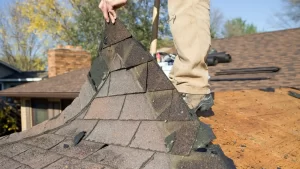
- Lifted or damaged shingles
- Hail impacts
- Granule loss
- Flashing displacement
- Hidden damage beneath shingles
Prompt inspections after storms help homeowners avoid delayed leaks and insurance complications.
How Roof Age Affects Inspection Frequency
Roof age plays a role in how often inspections should occur.
General guidelines include:
- New roofs under 5 years old may need annual inspections
- Roofs 10 to 15 years old benefit from closer monitoring
- Roofs over 15 years old should be inspected annually and after storms
As roofs age, materials become more vulnerable to damage and require closer attention.
Signs You Should Schedule an Inspection Immediately
In addition to routine inspections, certain warning signs indicate the need for immediate evaluation.
These include:
- Water stains on ceilings or walls
- Missing or damaged shingles
- Sagging roof areas
- Granules collecting in gutters
- Sudden increase in energy bills
These signs often indicate underlying issues that should not be ignored.
What Happens During a Professional Roof Inspection
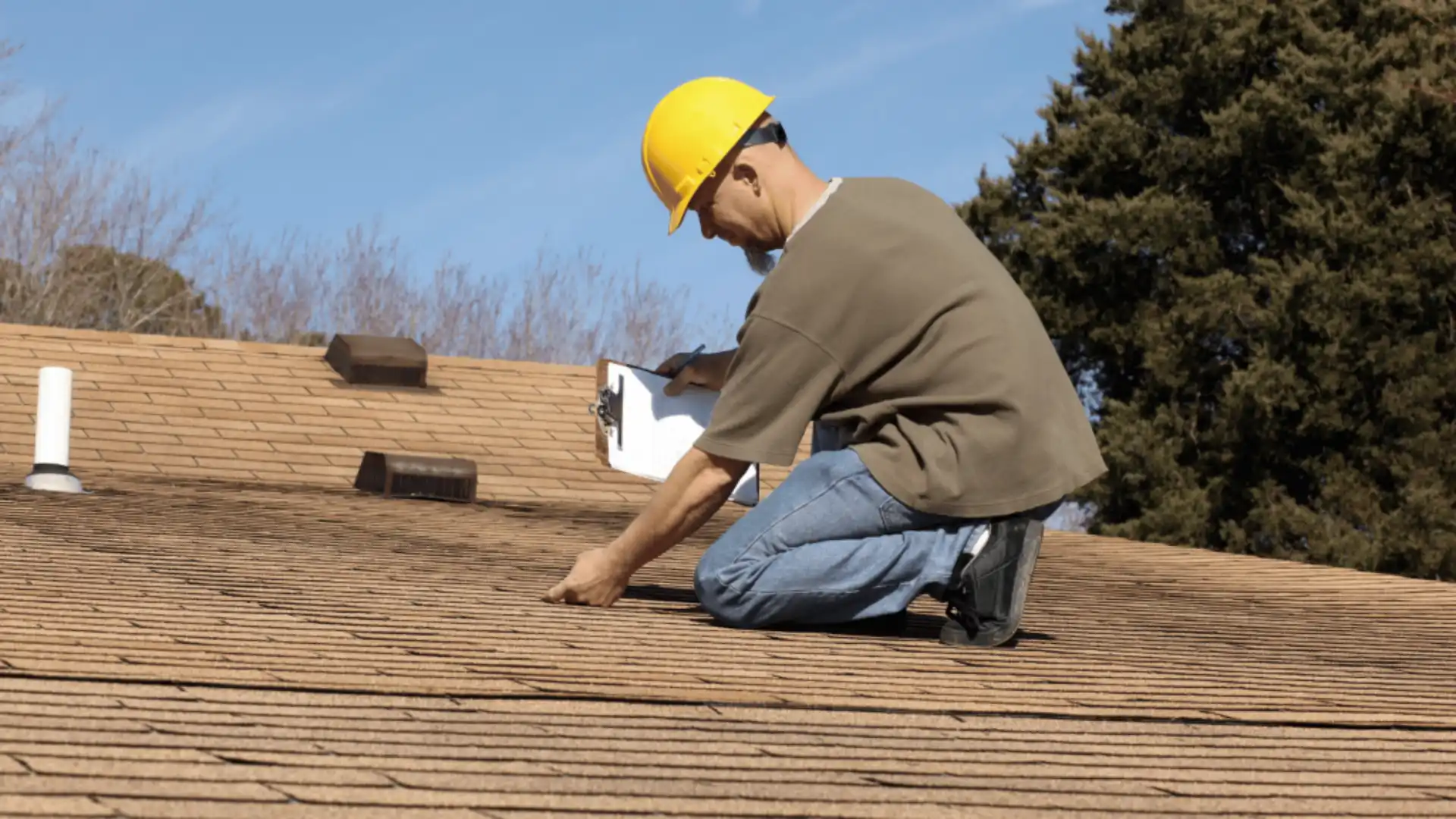
A professional inspection is more than a quick visual check.
It typically includes:
- Exterior roof evaluation
- Flashing and penetration inspection
- Attic and ventilation assessment when accessible
- Identification of existing and potential issues
- Clear explanation of findings
This thorough approach helps homeowners understand the true condition of their roof.
DIY Inspections vs Professional Inspections
While homeowners can look for obvious damage, professional inspections provide deeper insight.
Professional inspections offer:
- Trained evaluation
- Safety equipment
- Knowledge of common failure points
- Documentation for insurance or maintenance records
DIY checks are helpful but should not replace professional inspections.
How Inspections Help with Insurance and Warranties
Regular inspections support insurance claims and warranty coverage.
Benefits include:
- Documentation of roof condition
- Proof of maintenance
- Early identification of storm damage
- Reduced claim disputes
Keeping inspection records helps protect your investment.
When Inspections Can Prevent Roof Replacement
In many cases, inspections catch problems early enough to avoid premature replacement.
Early detection allows for:
- Minor repairs instead of major damage
- Improved roof performance
- Extended service life
Routine inspections often delay the need for replacement by several years.
Why Longview Homeowners Trust Caliber Roofing
Caliber Roofing provides professional roof inspections throughout Longview, TX with a focus on accuracy and honesty. Our inspections are designed to help homeowners understand their roof, not pressure them into unnecessary work.
Homeowners trust Caliber Roofing for:
- Thorough inspections
- Clear explanations
- Experienced roofing professionals
- Reliable recommendations
- Knowledge of Texas weather conditions
Conclusion
In Texas, roofs should be inspected at least once a year and after major storms. Regular inspections help catch problems early, reduce repair costs, and extend roof lifespan. Waiting until leaks appear often leads to more expensive repairs.
If your home in Longview has not had a recent roof inspection, Caliber Roofing can provide a professional evaluation and help you protect your home with confidence.