Introduction
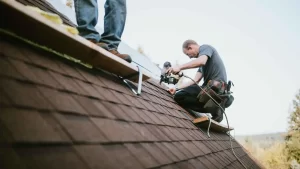
Many homeowners hear the term roof inspection but are not always sure what it actually includes. Some assume it is a quick look from the ground, while others expect a full teardown. In reality, a professional roof inspection is a detailed evaluation designed to protect your home and catch problems early.
In Longview, TX, roofs are exposed to heat, wind, rain, and storms that can cause gradual or sudden damage. Understanding what happens during a professional roof inspection helps homeowners know what to expect and why inspections are such an important part of home maintenance.
Why Professional Roof Inspections Matter
A roof inspection provides insight into issues that may not be visible from inside the home. Many roofing problems start small and worsen over time.
A professional inspection helps:
- Identify hidden damage
- Prevent leaks and structural issues
- Extend roof lifespan
- Support insurance claims
- Guide repair or replacement decisions
Inspections are not about selling services. They are about understanding roof condition.
Exterior Shingle Evaluation
The first step in a roof inspection focuses on the visible roofing surface.
Inspectors evaluate:
- Shingle condition
- Cracks or curling
- Missing or loose shingles
- Granule loss
- Signs of impact damage
This step helps determine whether the roof surface is functioning properly or showing signs of failure.
Flashing and Penetration Inspection
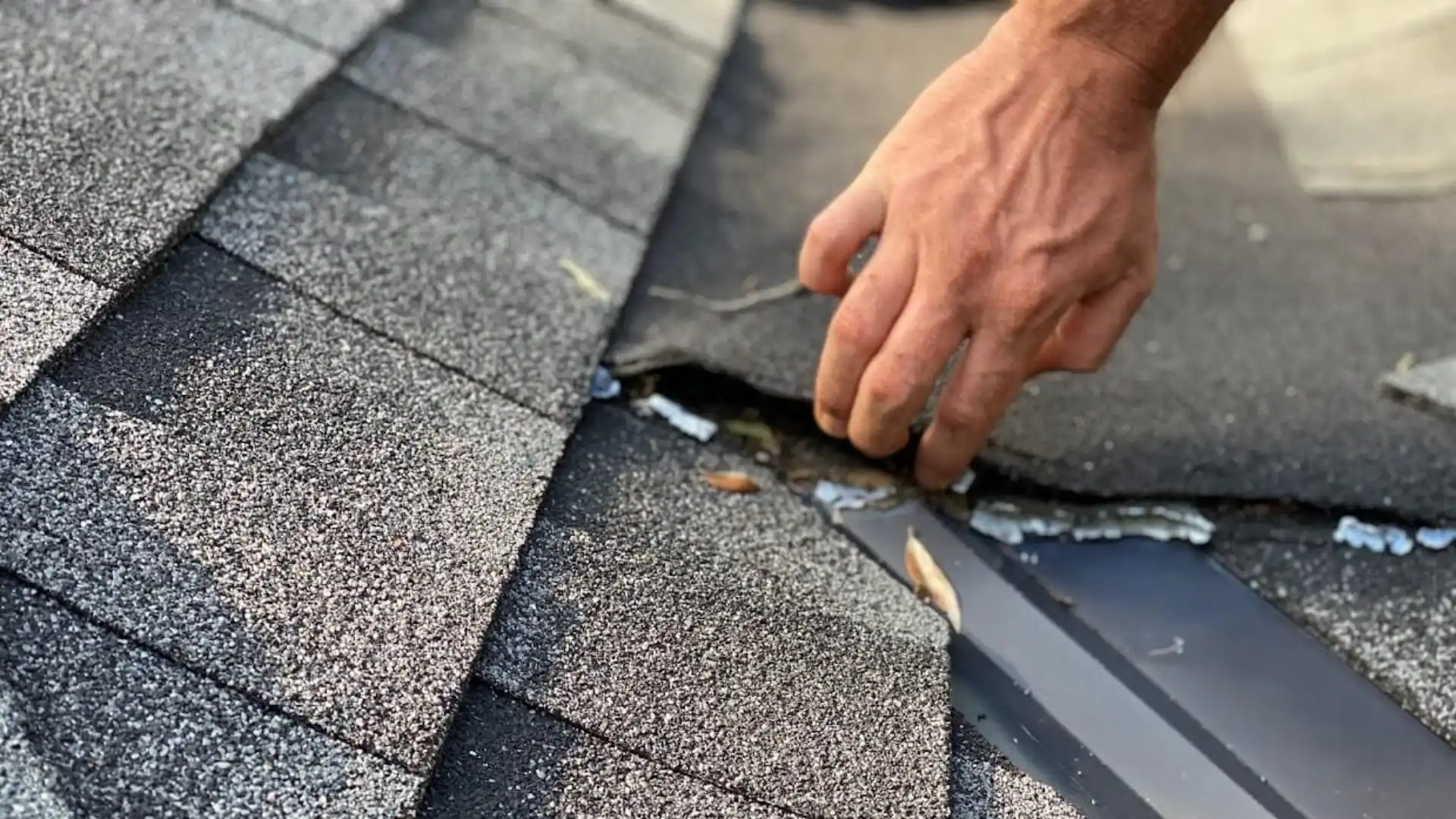
Flashing is installed around vulnerable areas where water is most likely to enter.
Common inspection points include:
- Chimneys
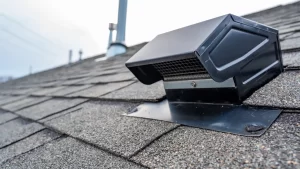
- Roof vents
- Skylights
- Plumbing stacks
- Valleys
Improper or damaged flashing is one of the leading causes of roof leaks. A professional inspection ensures these areas are sealed correctly.
Roof Edge and Drainage Evaluation
Roof edges and drainage systems play a major role in directing water away from the home.
Inspectors check:
- Drip edge installation
- Gutter alignment
- Downspout placement
- Signs of water backup or overflow
Poor drainage can cause water to back up under shingles and damage roof decking.
Attic and Ventilation Assessment
When accessible, the attic is inspected to evaluate ventilation and moisture levels.
This includes checking for:
- Proper airflow
- Excessive heat buildup
- Moisture or condensation
- Mold or mildew signs
- Insulation condition
Ventilation problems often shorten roof lifespan and increase energy costs.
Roof Decking Evaluation
The roof decking supports the entire roofing system. Inspectors look for signs of weakness or damage.
Indicators may include:
- Soft spots
- Sagging areas
- Water stains
- Structural concerns
Decking issues often require immediate attention to prevent further damage.
Signs of Active or Past Leaks
Leak detection is a critical part of any inspection.
Inspectors look for:
- Ceiling stains
- Wall discoloration
- Damp insulation
- Mold growth
- Water trails
Even past leaks can indicate ongoing problems that need correction.
Storm Damage Assessment
In Texas, storm damage inspections are common after hail or wind events.
Storm related evaluation includes:
- Hail impact marks
- Wind lifted shingles
- Damaged flashing or vents
- Debris impact areas
This information is often used to support insurance claims when applicable.
Documentation and Reporting
A professional roof inspection includes clear documentation.
This typically includes:
- Photos of findings
- Written condition summary
- Explanation of concerns
- Repair or replacement recommendations
Documentation helps homeowners understand the condition of their roof and plan next steps.
What a Professional Inspection Does Not Include
It is also helpful to understand what inspections are not.
A professional inspection does not involve:
- Removing roofing materials unnecessarily
- Guesswork without evidence
- Pressure to replace the roof
The goal is accuracy and transparency.
How Inspections Help Homeowners Make Better Decisions
With clear information, homeowners can:
- Plan repairs before damage worsens
- Budget for future replacement
- Avoid emergency situations
- Protect home value
Inspections provide clarity rather than uncertainty.
When to Schedule a Professional Roof Inspection
Homeowners should consider scheduling inspections:
- Once per year
- After major storms
- Before buying or selling a home
- When leaks or damage are suspected
- When the roof is aging
Regular inspections reduce long term costs and risk.
Why Longview Homeowners Trust Caliber Roofing
Caliber Roofing provides thorough roof inspections throughout Longview, TX with a focus on honesty and accuracy. Our inspections are designed to inform homeowners, not pressure them.
Homeowners trust Caliber Roofing for:
- Detailed evaluations
- Clear explanations
- Professional documentation
- Experience with Texas roofing systems
- Reliable recommendations
Conclusion
A professional roof inspection includes a detailed evaluation of shingles, flashing, ventilation, decking, and drainage systems. It helps identify hidden issues, prevent damage, and guide smart roofing decisions.
If your home in Longview has not had a recent roof inspection, Caliber Roofing can provide a professional assessment and help you understand the condition of your roof with confidence.